


Everyday Moments
Turn ordinary moments into images you'll treasure for years to come.
- Details
- Module
- Quiz
About this course
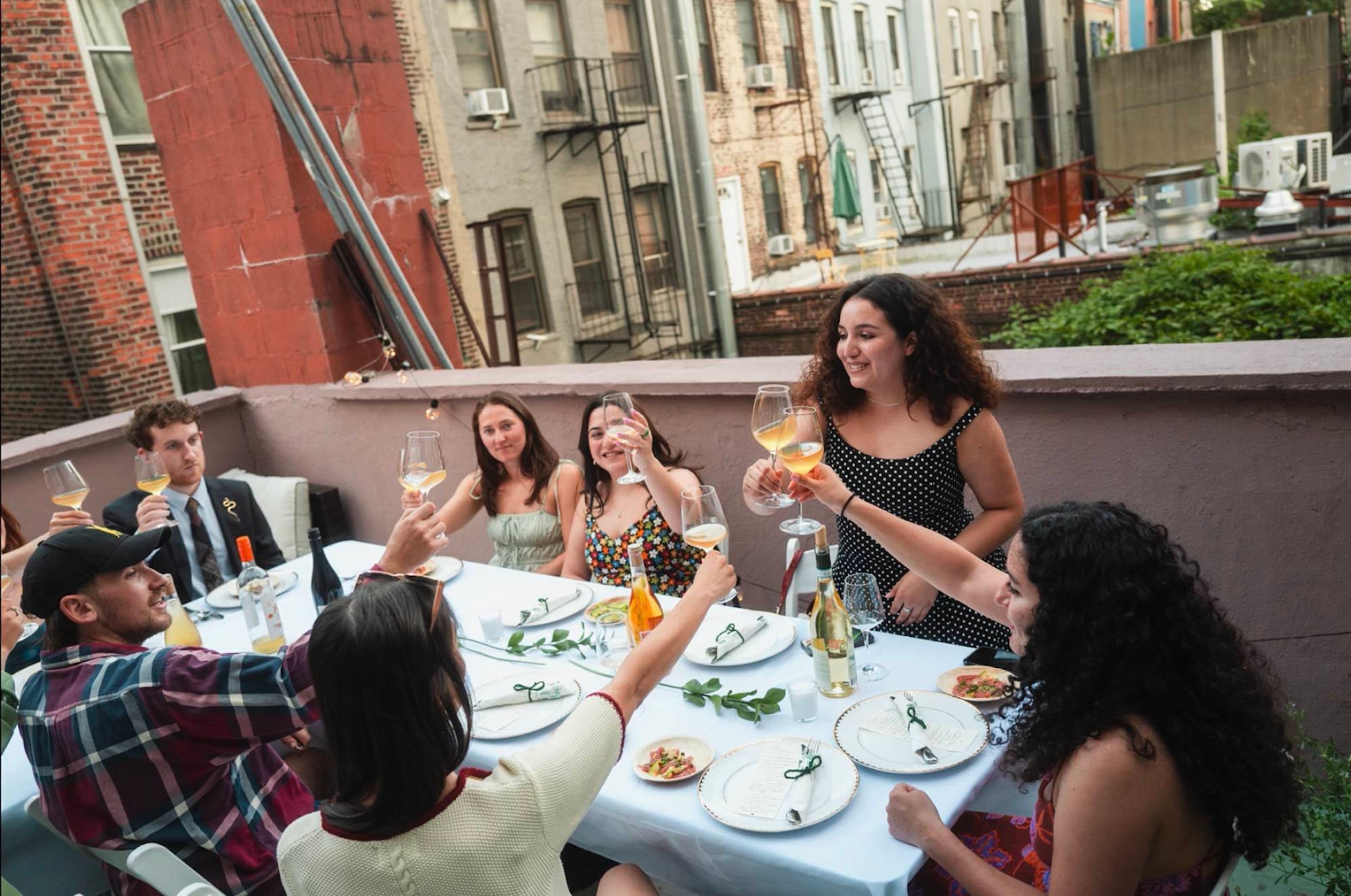
Everyday life is full of moments worth remembering – you just have to know how to capture them. In this course, Brooklyn-based photographer Jeremy Cohen walks you through his approach to capturing the real, unscripted moments that make up daily life: cozy mornings at home, the quiet connection between couples, laughter around a dinner table, and the energy of live events. Across five modules, you'll build confidence shooting in your own space, learn how to work with natural and mixed light, develop an eye for candid storytelling, and even explore hybrid photo and video techniques.
Course highlights
Instructor
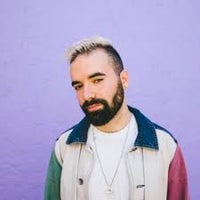
Jeremy Cohen is a NYC based friend (and photographer/filmmaker) with over a decade of experience. He believes everyone has a story to tell, and uses his camera to uplift and amplify untold portrayals of humanity. Jeremy is a member of the Sony Alpha Imaging Collective, and his work has been featured in The New York Times, New York Magazine, and Paper Mag. When he doesn’t have a camera in hand, Jeremy can be found playing speed chess or riding his bike around Brooklyn.
Jeremy Cohen
Storyteller, Alpha Imaging Collective
Featured gear
Skills
Transcripts
- Hi everyone. My name is Jeremy Cohen and I'm a photographer based in Brooklyn, New York. I've been taking photos ever since I was a kid, and to this day, that excitement for taking photos has never really gone away.
Over the years, I've had the opportunity to photograph all different kinds of people, places, and events. This class is all about photographing the everyday moments in your life that are just easy to overlook. But when you look back, you'll be really appreciative that you caught these moments. We'll start by building confidence just by shooting strong images within your own home. Let's get into it.
- If you wanna get better at photographing real life, just start where your real life already happens: right here in your home. That's actually where I'm shooting myself in my own space for this video right now.
The first step is to observe before you shoot, and also, do you want natural light or do you want to bring in an artificial light? For the sake of ease for this video, let's just work with natural light, so find a good window in your space and let's utilize that as your key light. Right now where I'm sitting, there's a window off camera to the left right here, which is lighting me from this direction. That's the only light source. But the thing about window light is it's constantly gonna be changing throughout the day. So right now, for the next hour or so, it's gonna be pretty equal lighting to how you're seeing me now. So I'm gonna try to shoot this whole video within the next hour.
Let's also ask yourself, which backgrounds look interesting? For me, I have this bookshelf in the background, which adds some depth and contrast to this frame that I have for this video. Instead of just having a flat white wall, I have a plant in the background here, another plant there with different colors happening in the background. I'd recommend looking around your space and don't be afraid to move some furniture or plants or books or other things around to make a good frame for whatever image you're making. For example, I don't normally have that plant there. I moved it there for this video specifically because in this frame, I didn't want all this empty white space right there. I filled it with a beautiful plant.
Ask yourself, where do you naturally spend time in your space? This could help you with a location choice within your home. So instead of shooting a single visually striking image of something in your home, let's think in a series of images that can tell a fuller story. For example, the story that I'm gonna tell, we're just gonna keep it really simple, and we're gonna document my morning routine: making coffee, working at my desk, watering plants, any small routine really that you do around your house.
For each sequence, let's capture wide frames for context, medium frames for interaction, and tight frames for detail. Some other things to keep in mind is to break eye level. Let's not shoot everything directly how we see it. Don't be afraid to get a little low and shoot up, or get a little bit higher and shoot down. Shoot from the couch or bed, or on top of a ladder, through a mirror, the reflections of pots or pans, or through a doorway. Let's just switch it up and keep it visually interesting. Use depth and look for foreground elements and layers. Most real storytelling is subtle, relatable, everyday moments. You don't necessarily need something dramatic to happen. If you can make your everyday life look interesting at home, you can do it anywhere.
- Welcome to module two. Let's talk about photographing couples.
Photographing couples isn't really about knowing all the different poses to do. It's more about understanding connection and capturing candid moments and interactions. The goal is to capture images that the couples will want to hold onto for the rest of their lives, and something that represents them well, and they'd be excited to share with family and friends, and even post on grid.
There are a lot of situations where you might find yourself photographing a couple. Whether it's a friend's engagement or personal project, like my Meet Cutes NYC book, or photographing my parents for their anniversary, or even something unexpected, like my grandma who recently fell in love at the age of 90. I photographed her and her boyfriend, and those photos are really special to her and my family. Anyways, these moments come up more than you think, and knowing how to capture them is what really matters.
So when you and the couple arrive on site and meet up, don't start taking photos right away. Just, you know, chat a little bit. Open up, ask them how their day went. Simple things like that. When people feel comfortable, everything looks better. I promise you, Just by that simple step, you'll feel more comfortable they'll feel more comfortable, and the photos will come out better. And focus less on poses and more on how they naturally interact and capturing those in-between candid moments. Even if they're just chatting in between shots, those sometimes can be the best photos to capture.
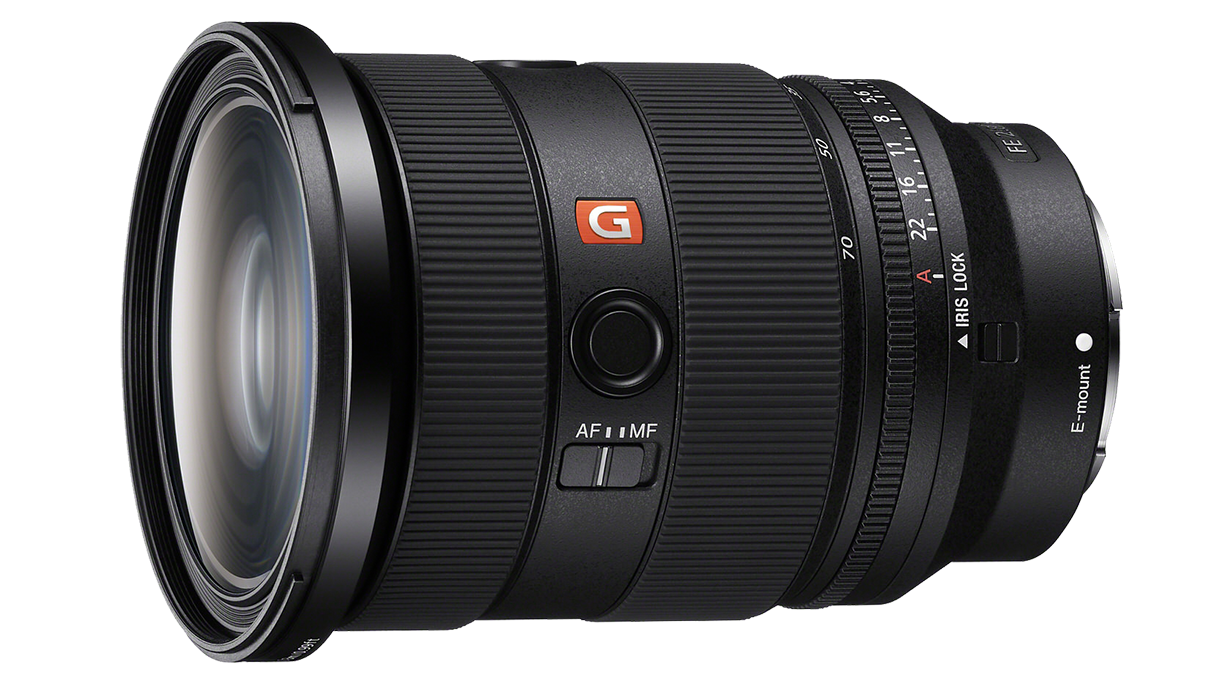
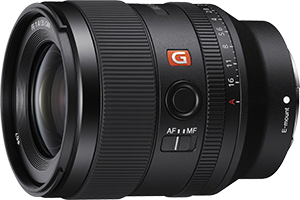
Use a versatile setup. Different photographers like shooting different ways and using different gear. I'd recommend bringing a 24 to 70 millimeter lens and a 35 millimeter lens. I use the 24 to 70 for just generally any shot. I might even keep that on my camera the whole time, just 'cause it could really get it all. I will only switch to the 35 millimeter if it's lower light or if I wanna get a super creamy background by shooting at 1.4. Make sure you're prepared with good settings on your camera for whatever lighting situation you're in. When I say be prepared with your settings, especially as a beginner, I mean have a general understanding of what works before you even arrive. We've all been in situations where you're trying to figure things out while people are waiting for you, and that's not a really good feeling. So do a little bit of research ahead of time so you don't have to feel like you have to solve certain settings on the spot.
But at the same time, in my opinion, it's more about the moments than the settings. Give some light direction to the couples, but not necessarily commands of "do this" or "do that." A lot of times I find couples want some direction, instead of just standing there not knowing what to do. Just tell them to do simple tricks such as, lean your head this way, or move a little bit this way. Come a little forward towards me. Move back. Lean against that tree, whatever it is. You're in control, but also not too much control. If there's a fun interaction that's just happening between the couples, lean into that and make sure you capture those moments.
Capture variety: closeup detail, medium interaction shots, wider environmental shots, and pay attention to the subtle moments. Small smiles or glances, hands interacting with each other or things like that. Shoot creatively. Switch it up, over the shoulder shots, through the window. Don't be afraid to get a little funky with it and use reflections. Play with some elements such as tree branches in the foreground to add some depth to your images. And move with your feet, especially when using a 35 millimeter or prime lens. The goal is simple. If it feels like a real, genuine moment, the photos will turn out that way.
- Welcome to module three. Let's talk about photographing dinners. Dinners might not be something you need to photograph per se, but they're actually one of the most meaningful moments you could capture. It's where people slow down, connect and share something together, and that combination of people, food, atmosphere, and culture, that's what it's all about.
When photographing dinners, focus on both the food and the people. Get hands interacting with food, capture chefs, guests, reactions, et cetera. When photographing dinner, you're balancing a bunch of things. Food, people, objects, mixed lighting. It's definitely a challenge, but that's what makes it fun. Your first decision: ambient light, flash, or a mix of both? It's helpful to know what the space is like ahead of time if possible, so you know what gear to bring. If using flash, keep it simple and mobile. If the lighting is pretty good, shoot ambient lighting, which is just the available lighting in the space already.
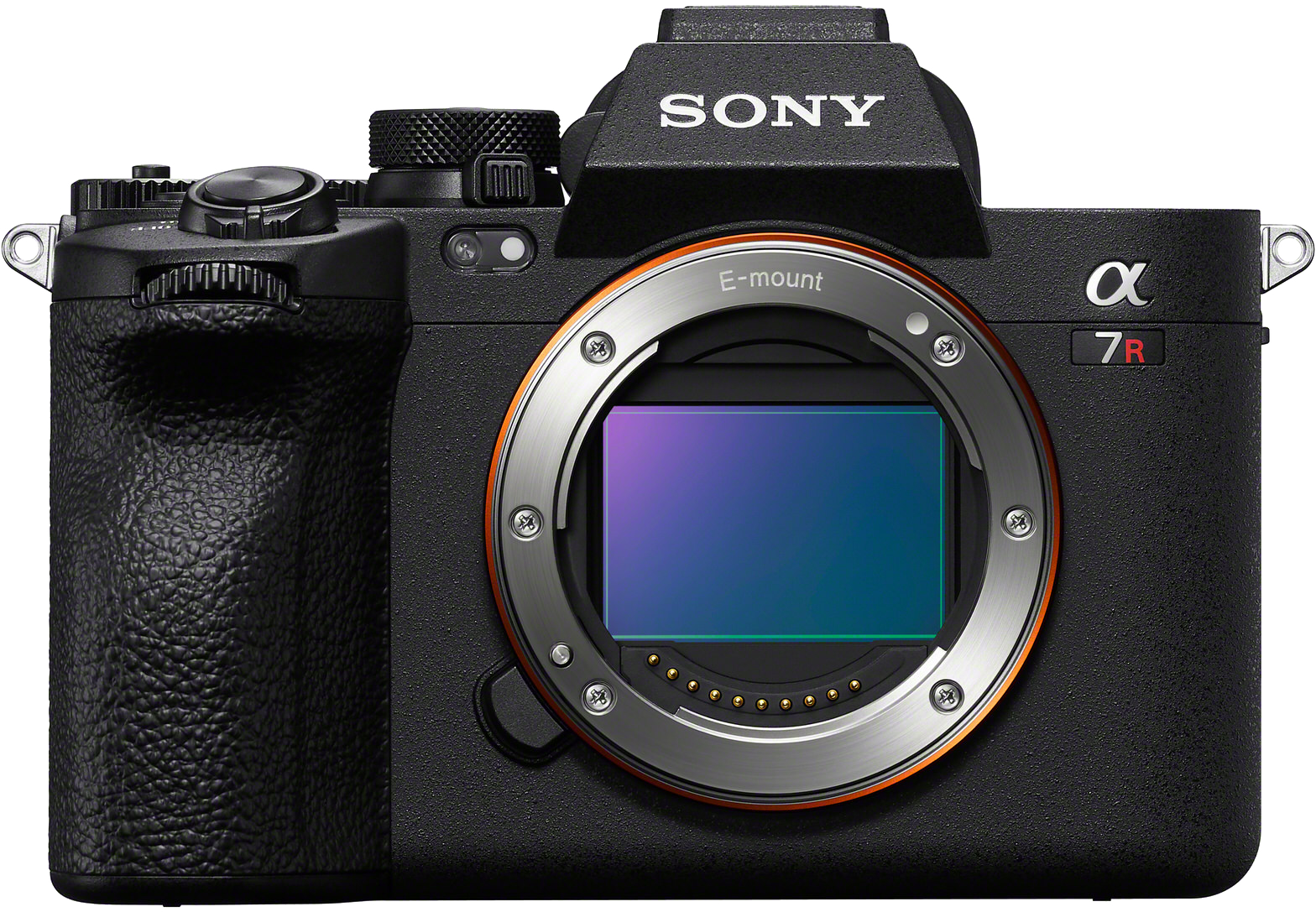
I shoot on Sony cameras, usually with the A seven R five, and it's really good in low light, especially when I'm pairing it with a prime lens. If the lighting is dark and difficult to shoot in, and you need some extra light, I'd recommend a small portable flash or an LED light. Sometimes these dinners, they're in really dark spaces, especially if the restaurant is really fancy, so lighting is the biggest challenge you'll have to overcome. But after you dial that in and figure out how to shoot this space, everything else will be a lot easier.
Vary your angles across plates, top down food shots, up close menu shots, and other detail shots. And look for natural gestures between subjects, whether it's even showing their face or just gestures of their hands. Hands reaching, reactions, conversations. And don't overshoot. If people at the dinner clock that you're just holding your finger on the trigger and you can just hear the camera going "rrrrrrrr", it could crush the vibe a little bit. And you don't need to take that many photos. Just, when you see the moment. capture it. Wait for those moments, and you can do a really quick short burst, which is especially helpful if you're shooting at a really low shutter speed to make sure the moment is still and captured. The slower the shutter speed, the more motion blur you'll get. And I'd recommend experimenting with different shutter speeds to go for what look you wanna get with your image.
A strong dinner gallery should feel immersive as if you're sitting at the table yourself.
- Okay, we're in module four now. This one's about photographing events. Event photography is controlled chaos, and it's what makes it exciting. No two events are the same and you're constantly adapting and adjusting in real time. That's the challenge, but it's also the opportunity and events are happening everywhere, especially in places like where I live in New York City.
Whether it's a big public event or a small gathering, the goal still remains the same. To capture the energy and moments that people care about, such as friends' weddings or baby showers, family gatherings, et cetera, et cetera. If you have your camera on you, these are meaningful moments worth capturing. Before we start shooting, we gotta pack our gear and let's pack intentionally. Less is more. It's really helpful to know the space that you're shooting in before you shoot, to know what gear you're gonna pack. Because then you'll know the general physical space, if you'll need a really long zoom lens or a really super wide lens, or if you'll need flash or not, how dark or light it'll be. There's so many variables.
Be prepared for bad or challenging lighting. It's almost guaranteed if the event is indoors. If natural or available light works, use it and if not, use flash confidently. Shoot in a mode on your camera that you're comfortable in. I wouldn't recommend trying new things when you're on your shoot. Missing moments because you're changing settings on your camera is worse than not ideal settings for the situation. Work in sequences. Guests arriving, establishing shots, interactions, speeches, off stage moments, and be sure to capture both posed shots and candid shots. If it's a client event, prioritize branded moments and use a shot list. Move constantly and be sure to talk to people.
Don't take anyone's photo that obviously makes them uncomfortable. If they don't wanna be photographed, don't photograph them. But then there'll be other people that are really into getting their photo taken, so take a bunch of photos of them. 'Cause if they're having a good time and they're into it, that'll come across really well in the photos and make the event look more exciting. And if you need some shots on your shot list that people don't happen to be doing naturally, feel free to prompt the moment and fake it a little bit, if you need to get some of these things crossed off your shot list. I won't tell anyone.
And just like the previous two modules, shoot low, shoot high, use layers, and maybe even experiment with a slow shutter during high energy moments. Some intentional blur in the photos can look pretty cool and add to the excitement of the event.
For example, this past year, I photographed the New York City Marathon for fun, and I photographed the race from my friend's roof for a couple of shots, and instead of just capturing it in high speed, I decided to lower the shutter speed to maybe around 1/30. When shooting with a slow shutter, stability really matters. A tripod is helpful, but you can absolutely do it handheld as well. It just takes a few tries sometimes, and you can't go too too slow. My process was that I stabilized my camera against my face and braced my elbows on a hard surface, so it kind of mimicked a tripod. It was generally pretty still for this shot that was handheld, and this is the result, I thought it came out for a lot more interesting image than what I was shooting prior to going into low shutter speed. The blend of colors and runners in motion, but also the bystanders, just watching them, still, I thought made for a really interesting image.
- Welcome to module five. We'll be talking about hybrid shooting. This means shooting both photo and video. Hybrid shooting is powerful but can also be mentally challenging. You're constantly deciding if this is a photo moment or a video moment, or if it's just a moment I should experience without a camera.
Hybrid shooting can absolutely be a little daunting, so keep gear minimal. You can definitely just shoot with one camera, considering a lot of Sony cameras have incredible photo and video capabilities. Preparation matters. Is this gonna be shot in a horizontal frame or a vertical frame? If both, I'd recommend shooting horizontally to be cropped to vertical. When shooting horizontal with having the intention of cropping vertical, it's a bit of an art. I use the 9 by 16 frame guidelines within my Sony camera so I can see what the vertical crop will look like in my horizontal frame.
Most of the time I try to frame for both formats and other times I'll prioritize one format while shooting both and hope they both work out. Shot list. It's easy to think you captured everything, but sometimes there's that one thing that you forget to shoot and you're kicking yourself later. Follow a shot list and make sure you get every shot you need. And remember, be respectful. Not everyone you're shooting wants to be on camera.
The thing about hybrid shooting is you might be sacrificing quality if you're not focusing on just video or just photo. But to be one person that can capture both stills and motion of one event, I believe can be a really valuable skillset.
Rate this course
Your feedback helps us improve our content.
Course rewards
Complete any course and earn a unique badge to celebrate your progress. Collect them all as you level up your skills!